
Author: Site Editor Publish Time: 2026-07-10 Origin: Site


In professional stage lighting design, brightness is often considered the primary measure of fixture performance. In real-world applications, however, beam angle and throw distance can have a greater impact on the final lighting effect.
Beam angle determines how light is distributed after leaving the fixture. A narrow beam concentrates the luminous output into a tighter column, helping maintain higher lux levels over long distances. This is why beam moving head lights are widely used in concerts, festivals, and touring productions where fixtures are often positioned far from the stage.
For example, narrow-beam fixtures such as the Cruiser Beam series are designed with tight optical systems to deliver strong long-throw performance. With beam angles of only a few degrees, fixtures such as the Cruiser 470 Beam can create clear and powerful aerial effects in large venues.
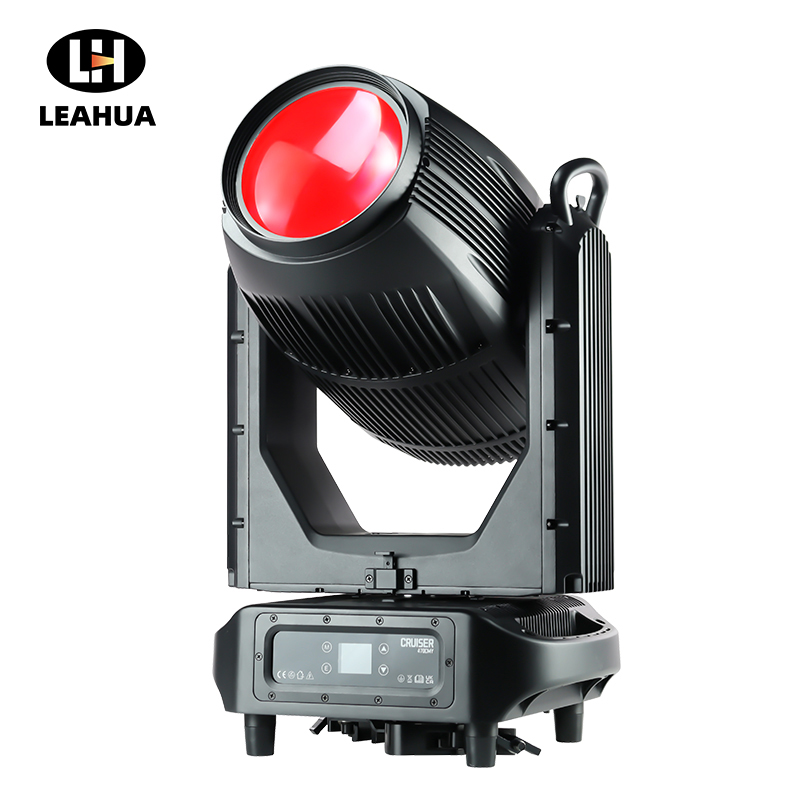
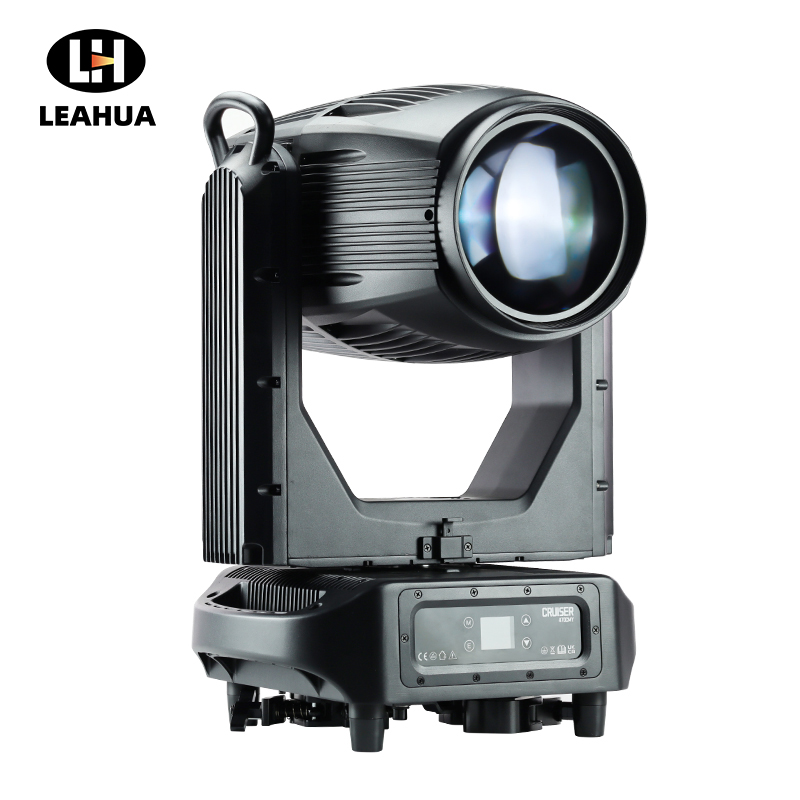
When greater long-distance performance is required, laser-based fixtures such as the Cruiser Laser Beam series provide higher beam density and stronger visibility. The Cruiser Laser 300 Beam is designed to maintain beam definition over extended distances, making it suitable for stadium shows, outdoor festivals, and other large-scale stage lighting applications.
Modern stage lighting is also no longer limited to fixed beam angles. Hybrid fixtures such as the Cruiser BWS series use variable zoom systems, allowing one fixture to switch between beam, wash, and spot effects.
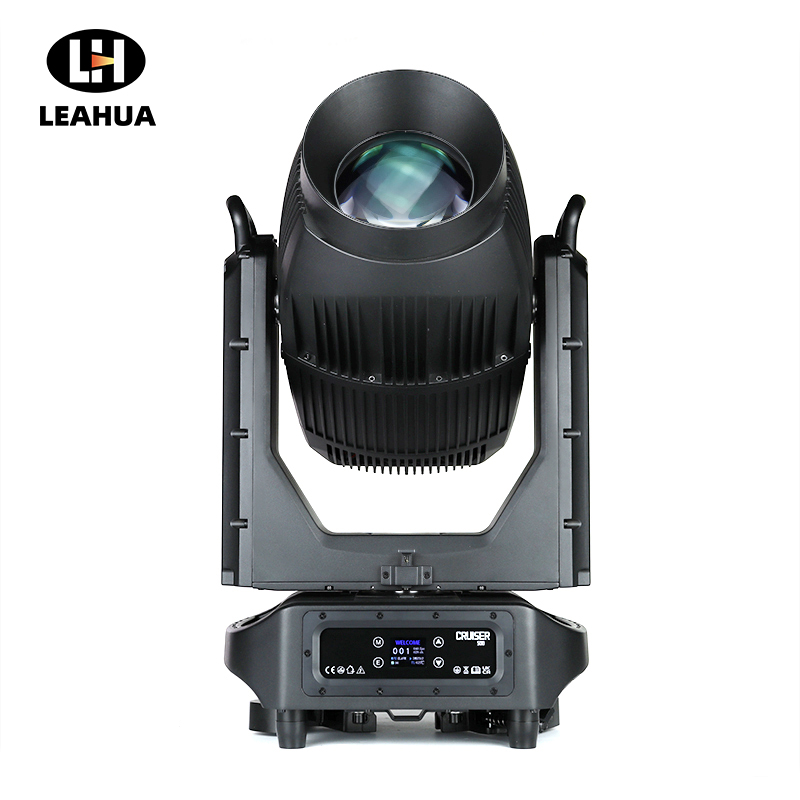
This flexibility allows lighting designers and rental companies to adapt the beam angle to different venue sizes, throw distances, and production requirements without changing fixtures.
It is also important to understand that illuminance decreases as the distance from the fixture increases. According to the inverse square law, doubling the distance can reduce the illuminance at the target to approximately one quarter under ideal conditions.
This means that two fixtures with the same wattage may deliver very different results depending on their optical design, beam angle, and light efficiency.
Ultimately, wattage alone does not define stage lighting performance. Effective lighting design depends on balancing beam angle, optical efficiency, and throw distance according to the application environment.
Understanding these factors helps lighting professionals achieve more predictable results and avoid selecting high-wattage fixtures that may underperform in real stage conditions.


