
Author: Site Editor Publish Time: 2026-08-19 Origin: Site


If you have watched a modern concert, festival, or nightclub show, you may have noticed long, narrow lighting fixtures installed across the stage or truss. These are often called LED Pixel Bars or LED Stage Light Bars.
So, what makes them different from a traditional LED bar?
An LED Pixel Bar is a linear lighting fixture made up of multiple LED sections, or pixels, that can be controlled individually or in groups.
A traditional LED bar may produce one uniform color across the entire fixture. With pixel control, different sections can display different colors and change independently.
For example, one end of the fixture can be blue while another section is red, with the colors gradually moving across the bar. This creates chasing, flowing, gradient, and other dynamic lighting effects.
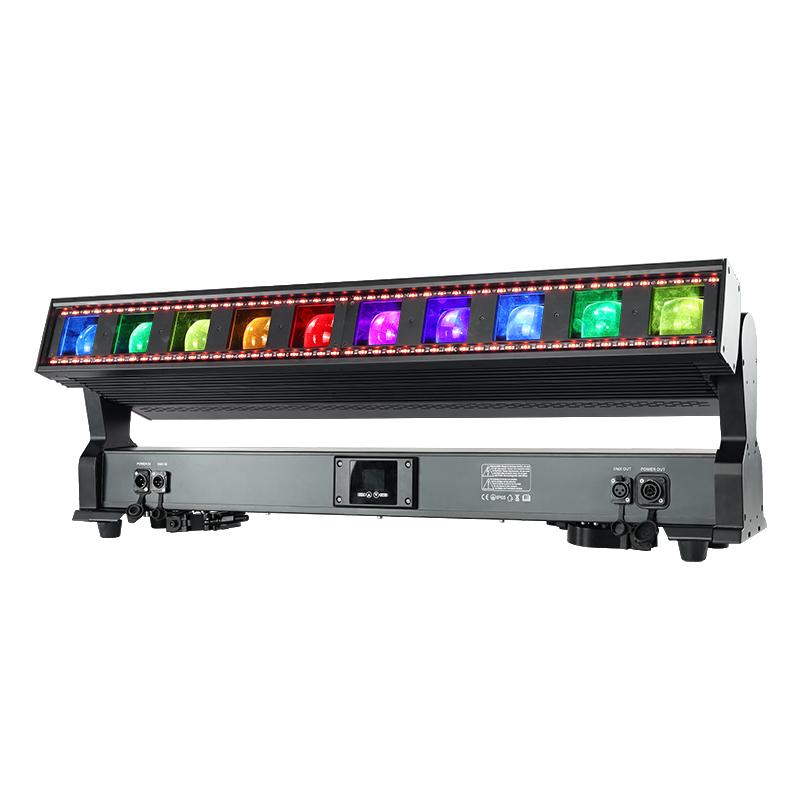
Pixel mapping is one of the most popular applications of LED Pixel Bars.
Simply put, pixel mapping allows individual pixels or sections of lighting to be controlled as part of a larger visual pattern. When multiple pixel bars are installed together, designers can create waves, color transitions, animations, and effects synchronized with music.
Depending on the fixture and control system, pixel bars can be controlled through DMX512, Art-Net, or sACN.
The main difference is control and visual effects.
A traditional LED bar is often used mainly for wash lighting and background illumination. An LED Pixel Bar can do this too, but its individually controllable sections also allow it to create movement and visual rhythm.
That makes pixel bars especially useful when lighting needs to become part of the stage design rather than simply illuminate it.
LED Pixel Bars are commonly used for:
Concerts and touring productions
Festivals and nightclubs
Weddings and private events
Corporate events
TV and theatre
Architectural and immersive installations
They can be mounted horizontally or vertically, placed behind performers, around LED screens, or integrated into stage structures.
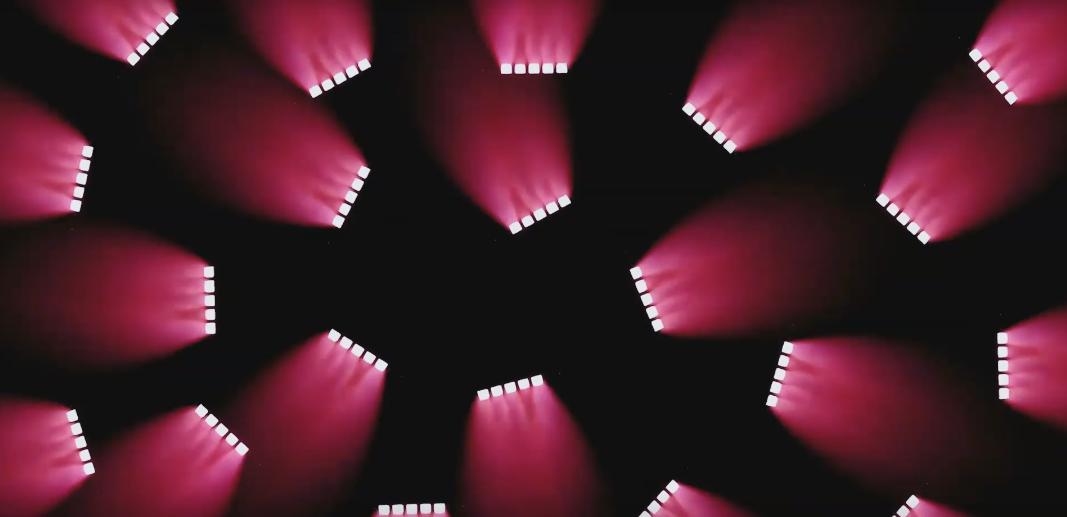
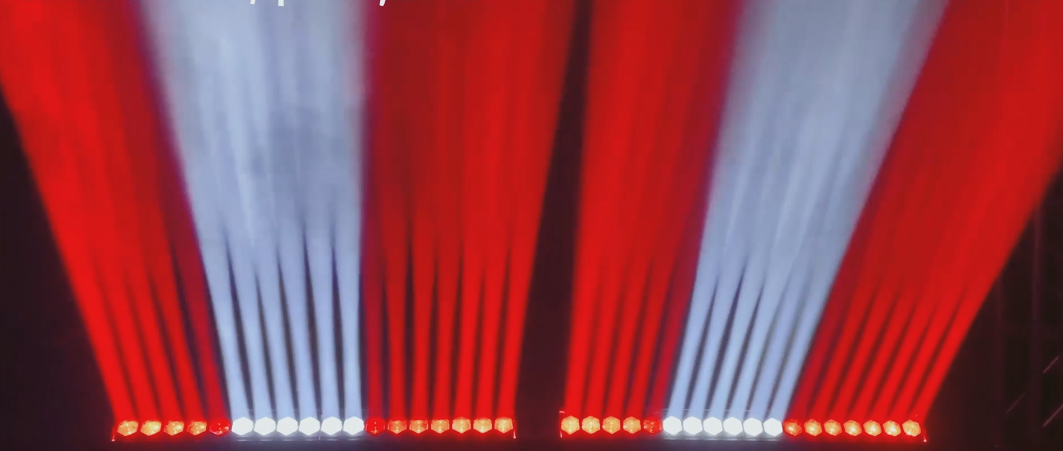
Modern stage lighting is not only about brightness. Designers are increasingly looking for movement, depth, rhythm, and visual structure.
Moving heads can create powerful beams, while wash lights provide overall color. Pixel Bars add another layer by creating lines, patterns, and dynamic effects.
When used together, these fixtures can turn a simple lighting system into a much more visually engaging stage.
In the end, an LED Pixel Bar is more than a long strip of LEDs.
It is a lighting tool that can become part of the show itself.


